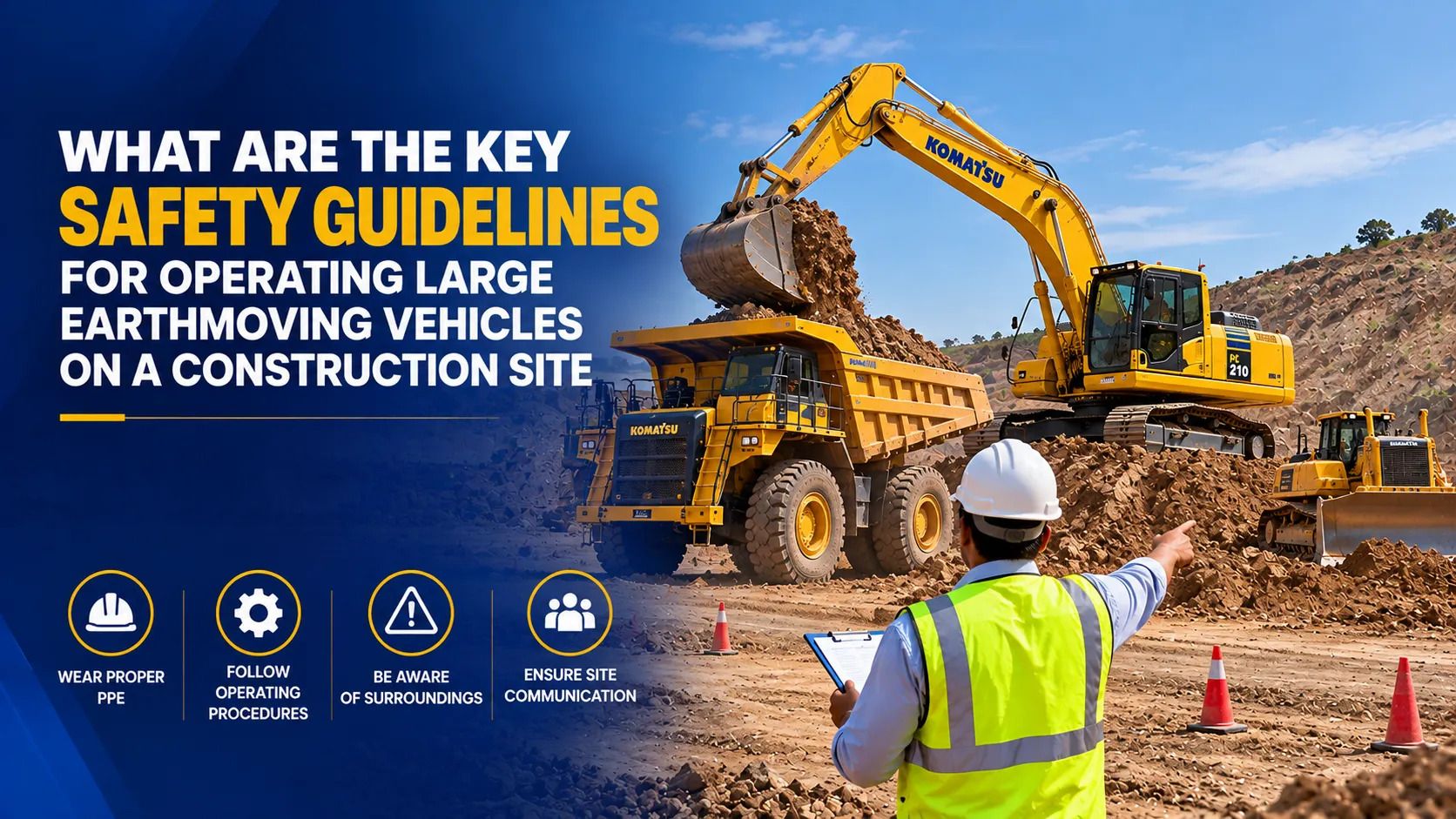
Heavy earthmoving equipment, foot workers, and project deadlines are just a few of the risks in the construction industry.
Earthmoving equipment safety begins long before the operator steps into the machine. Excavators, dumpers, loaders,
bulldozers, motor graders, and compactors carry heavy loads. They can cause severe damage and injury if operated unsafely, without predetermined routes, designated operating areas, trained operators, and clear lines of communication.
Earthmoving Safety at a Glance
| Area |
Key rule |
Who is responsible? |
| Site planning |
Establish traffic routes and pedestrian walkways |
Site manager |
| Reversing |
Minimise reversing and use trained spotters |
Operator and banksman |
| Exclusion zones |
Keep workers outside swing and loading areas |
Site manager and operator |
| Operator readiness |
Allow only trained, authorised, fit operators |
Site manager and operator |
| Excavation edges |
Assess ground stability and mark safe boundaries |
Site manager and operator |
| Utilities and overhead lines |
Locate buried services and establish safe clearances |
Site manager |
| Parking and maintenance |
Lower attachments, isolate equipment, and inspect defects |
Operator and maintenance team |
The Indian Safety Framework in Brief
Laws
The Occupational Safety, Health and Working Conditions Code, 2020 ("Code") came into effect on 21 November 2025. At times, the scope of the new Code vis-à-vis construction activities should be understood in light of relevant rules, notifications, and transitional provisions relating to the earlier laws, including the BOCW. Employers and principal employers should meet the relevant safety obligations; contractors should obtain legal opinion to identify the specific applicable rules and provisions.
Standards
IS 7293 specifies safety when working with construction machinery; IS 3764 specifies safety during excavation work. These specifications can be referred to by contractors in preparing site procedures; however, the latest editions should be referred to for actual requirements.
The MFG Manual
Sometimes the machine's operation and maintenance manual also serves as a safety manual. Operatives need to understand the manufacturer's instructions, safety and operating limits, and inspection procedures, and know what to do in an emergency before using the equipment.
Plan the Site to Separate People from Machines
The best safety controls are: eliminate hazards, if possible; separate pedestrians from machinery; control vehicle movements; train workers; and use personal protective equipment (PPE) as the last line of defence.
1. Site Traffic Management Plan
Where possible, introduce one-way systems, set speed limits, introduce signage and create directional entry and exit points. Provide designated off-street areas for parking, loading, unloading, and dumping.
2. Excluded Areas and Barricades
Simply install barricades and warning signs to mark the excavator's swing zone, loading zone, and dump zone. Keep everyone away, and don't let anyone work in these zones until you give the okay.
3. Safer Pedestrian Pathways
Maintain clear walkways and crossing points clear and outside the range of earth-moving equipment. Never obstruct the operator's view of pedestrians. Never allow pedestrians to cut across earth-moving equipment work areas.
4. Reversing: Eliminate or Control
Minimise the need to reverse by designing the site correctly. Use trained banksmen/spotters, reverse alarms, and CCTV/mirrors. Large machines have huge blind spots that can completely hide a person standing close by.
Operator Readiness
Training, Competence and Authorisation
Only trained, competent, and authorised persons can operate heavy machinery. Traffic routes, emergency signals, exclusion zones and local hazards should be identified as part of the site induction. Manufacturer-provided operator training may be relevant for some specific machine skills.
Fitness, Fatigue and Shift Design
Operators need to be awake and alert: Avoid alcohol and drug use; Allow adequate rest time; and schedule night shifts to reduce fatigue and maintain lighting conditions.
PPE: Last Line of Defence
Therefore, at a minimum, provide safety helmets, high-visibility clothing, safety footwear, and eye and hearing protection as conditions require. If provided, wear seat belts where fitted and as instructed by the manufacturer.
Daily Pre-Start Checks for Any Large Earthmoving Machine
Before starting work, operators should inspect the following.
- Check the machine exterior for damage, leaks, and loose parts
- Brakes, steering, tyres or tracks, lights, and horn
- Reverse alarms, mirrors, cameras, and warning indicators
- Seat belt, fire extinguisher, and emergency equipment
- Attachments, hydraulic connections, and securing pins
Safe operability issues require parking the machine until the defect is identified and made safe. Regularly inspecting machinery also reduces unplanned stoppages and supports proactive maintenance.
Safe Operating Rules by Machine
Excavators
Avoid swinging a bucket/suspended load over persons or into a truck. Don't pick personnel up in the bucket. Remain stable on your feet. Do not allow employees to be in the bucket swing radius.
Dumpers and Haul Trucks
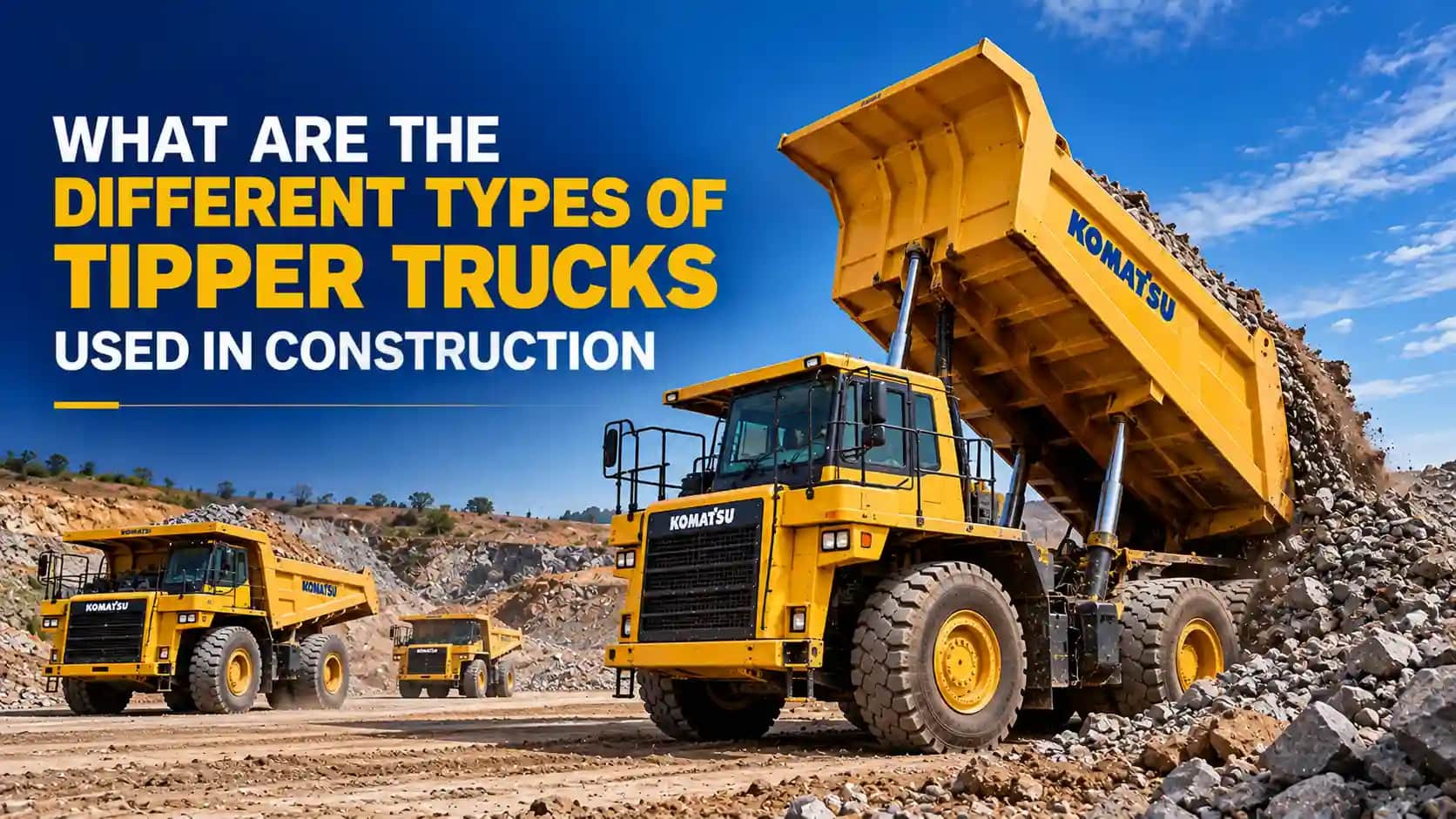
Follow the loading limits, travel only on designated routes, and never use the equipment with the dump body raised. Always place on flat ground without overhanging edges or objects.
Wheel Loaders
Side ramps: when moving, lower loads to the side ramps. Before changing positions, check blind spots; reduce speed when on side ramps and rough surfaces.
Dozers
Do not let personnel come near the blade; measure slopes and edges, and take additional precautions in low visibility.
Motor Graders and Compactors:
Avoid coming near other equipment or excavation edges.
Back up
Check all directions and stay alert for others, especially in crowded areas.
Working Near Excavations, Slopes and Edges
1. Keep Machines Back from the Edge
Calculate the excavation quantity, soil stability, surcharge loads, and potential collapse. Maintain a distance from excavation edges where machinery is to be placed. Keep machinery out of the excavation danger zone, in accordance with the standard and the results of the site-specific engineering assessment.
2. Slopes and Soft Ground
Don't use the slope for dangerous cross-slope operations—check the area following heavy rain. Be alert for work to be done on new fill. Stop work operations if any settlement, cracking or movement of ground is detected.
3. Underground Utilities and Overhead Lines
Locate underground hidden electrical cables, water and gas pipes, and telecommunications services before excavating. Identify overhead power lines, ask utility companies and check electrical safety codes to verify the lines are not near the work site.
Loading, Unloading and Material Handling
Position trucks on level, stable surfaces in an approved loading sequence. Do not leave drivers in the cab unless it is safe; move them to a safe position. Never load on the back of a cab - signal before the cab moves.
Communication on Site
Employ common signals, radio or beacons and trained banksmen. Have a local-language or Hindi signal chart in case crews speak different languages. If it's not certain, then stop; if it's not certain, then turn it off.
Parking, Refuelling, Maintenance and Shutdown
On level ground, lower buckets, blades and other attachments to the ground, set the parking brake and remove the key. Use chocks as necessary. Refuel from a flat, secure area with no ignition sources, and with the engine shut down. Protect or prop up raised items and block up the machine before servicing.
Safety under Indian site conditions
- Monsoon: Check for wet soil, slippery ramps and soft walls in the excavation.
- Dust and extreme heat: Drink plenty of water, rest, watch for signs of heat illness, and keep areas clear of dust.
- Night work: Ensure enough lighting and safety clothing, and use extra spotters if required.
- Mixed traffic and migrant labour force: Employ signage and thorough induction and instructions in workers' languages.
Monitoring, Reporting and Continuous Improvement
Conduct daily toolbox talks, plan for scheduled inspections and report near misses. Avoid assuming someone did something wrong, and review incidents to identify root causes and improve procedures. Machine-use and machine-maintenance data can support planning with machine-monitoring solutions, such as KOMTRAX, if the machine supports it. Check the machine's capabilities before using them to make safety decisions.
A Worked Example: Applying the Excavation Edge Rule
Sample only; set-backs to be determined by the standards to be applied and a risk assessment of the site. Evaluate soil conditions, excavation support, groundwater, and machine loading before determining how far machinery should be kept from the edge of a construction project. When digging an 8-metre-deep trench, set machinery back farther from the edge of the construction project, depending on the ground and protective system.
Delineate the approved equipment limits with visual barriers and stop blocks where necessary. Each operator and banksman should be briefed and re-briefed before work starts, and the boundary checked after heavy rain or any change in ground conditions. Don't simply rely on a straightforward depth calculation to replace engineering judgment or the relevant excavation standard.
How Komatsu India Supports Safe Operations
Operator Training
Machine-specific training is aimed at familiarising operators with controls, safe operating practices and inspection procedures. To learn more about operator training, contact your nearest Komatsu India or other authorised dealer.
Monitoring and Maintenance
Ask about KOMTRAX monitoring capabilities, scheduled maintenance services, and available service contract programs. Make sure you understand the features and conditions of your machine and job site.
Genuine Parts
High-quality replacement parts and the right support service help maintain equipment reliability. Ask an authorised dealer about recommended replacement genuine parts and the service you need.
Conclusion
At the construction site, safe earthmoving practices start with a plan to design out hazards, separate pedestrians from machines, manage vehicle movement within the site and between the work site and machine parking, and ensure operators have the right competencies.
Regular vehicle inspections, PPE requirements and safe communication can confirm these controls. Contact
Komatsu India Private Limited or your authorised Komatsu dealer for construction site operator training, maintenance, and equipment support.
Frequently Asked Questions
1. What is the top rule for earthmoving safety?
Designate walkways as safe areas; separate and isolate staff from moving plant, and zone site traffic management with a pedestrian route exclusion zone plan.
2. Who are those individuals that should be operating big earthmoving equipment out in the construction yard?
Operators shall be trained, competent, authorised, and familiar with the machine and site procedures.
3. Pre-start checks on Earthmoving equipment - What should I check as the Operator?
Test brakes, steering, tyres or tracks, alarms, cameras, lights, attachments, leaks, etc.