Choosing the right
hydraulic excavators is critical to completing construction, mining, infrastructure, and earthmoving projects effectively. A machine that is too small can reduce productivity, while one that is too large can increase fuel consumption, operating costs, and transportation expenses. The ideal excavator matches the job's requirements, including digging depth, bucket capacity, material type, lifting needs, site conditions, and working environment. In this blog, we will discuss what can go wrong if you choose the wrong excavator.
Top Factors that determine what goes wrong if you choose the wrong excavator size
The Komatsu
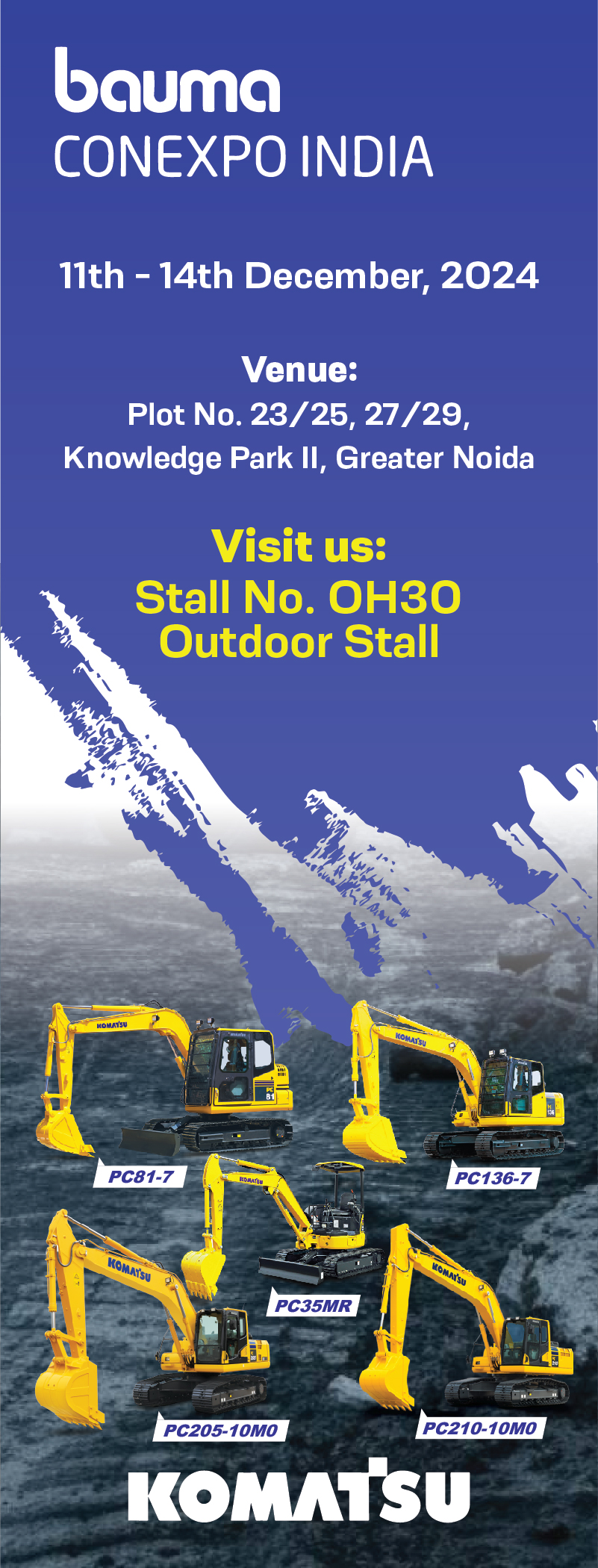
PC210-10M0 hydraulic excavator is a powerful option for applications calling for a 20-ton-class machine. This Komatsu excavator delivers power, efficiency, productivity, durability, and operator comfort. Here are some issues that can arise when an excavator doesn't meet your needs.
1. Reduced Productivity
A second major problem is reduced efficiency if you select a machine that isn't the right excavator class for your projects. If you don't use machinery large enough, you may lack the hydraulic pump, bucket size, or power output to remove materials from the ground properly. A workaround adds time, delaying project completion, or stretches your cycle times for long periods.
The Komatsu PC210-10M0 is another example of a Komatsu machine in the 20-ton hydraulic excavator class. Launched in 2010, it utilises a 6-cylinder, 165HP engine and a 1.2 m3 bucket to help maximise bucket service life-which, in the terms that I have discussed, will need to do additional work for you over its working life due to excavation conditions.
2. Increased Costs Associated With the Unit
Another issue with a machine that's too small for your needs is that it increases your working hours, as your application requires more effort to complete or your application needs more from an excavating machine overall. It can increase costs by putting more miles on your excavating machine, as it spends more time running, uses more gasoline, and, in the long run, increases upkeep costs along with the additional hours used.
Large hydraulic excavators aren't always the answer; the expense of an excavating machine that is a little too big is high, and gas efficiency drops because you're only using it at full capacity for part of the time. This will, of course, require higher upkeep expenses because it's too large and uses more gas.
The excavator's fan clutch, along with an adjusted rotating element connected to a pump, allows the machine to save up to 15% on fuel compared with hydraulic-pressure-adjusting excavators. This system, along with an advanced engine regulation fan system, helps improve fuel efficiency.
3. Additional Component Wear And Upkeep
When excavating equipment runs hard to reach optimum functionality, it can wear components such as the hydraulic lines, hydraulic boom, hydraulic arm, and bucket (with or without add-ins such as add-on arms and teeth). Komatsu offers an extension to the original warranty of up to 6 years/12000 hrs, so the UT PMP (Preventive Maintenance Package) service for this excavator should include at least this.
4. Operating a Safety Threat and instability in the excavation machine;
Safety is a concern in every machine operation. Excavation machines need enough lifting capacity, the right pressure, enough stability, and a suitable working circle, especially when moving heavy materials. Oversizing hydraulic excavators can create a hazardous job that can ultimately cause many unwanted occurrences in the workplace. Using an oversized hydraulic excavator in a space-constrained area, such as near roads and power lines, can create additional hazards.
5. Operator Fatigue Is an Issue With Excavators
A good excavator operator, with a comfortable, easy-to-operate cabin, can reduce wear and tear from long shifts and prevent frustration on and off the job site. As you've read above, the Komatsu PC210-10M0 features air-conditioning and an adjustable operator seat, among several other features intended to reduce worker fatigue and ensure comfort during extended shifts.
6. Excavating machines: 20 ton and more-a comparison of models
In addition to Komatsu excavating machines, other companies also offer excavators, such as Hitachi, KOBELCO, Caterpillar, and others.
One alternative Komatsu model is the Komatsu PC200-10M0 CE, which features improved hydraulic boom and arm components and a stronger swing circle, making it more durable than its counterparts.
With its fuel-saving capabilities, it now delivers 18% greater fuel efficiency and uses less of your normal fuel; it also runs on B30 diesel, a greener fuel that helps cut your carbon footprint. It includes a filter system to protect your machine, along with detection features, and offers a 20% reduction in upkeep costs, plus the functions you already know.
7. Know Your Application Before Making an Excavator Buy or Lease Purchase Decision
There isn’t one excavating machine that's suited for all of your unique operating needs and wants. Factors such as: The type of ground you are operating the excavator in-you may be operating on rocky terrain or muddy ground: you're type of material that needs to be excavating (rock excavation for example needs machines capable of digging through materials such as rock and soil etc): what type of work you need carried out such as ditch digging, leveling a piece of land etc.: how high you plan to have it lifting things, how deep a hole you need to dig, what radius of how far you need your working equipment to go, the type of buckets that you need for your excavation machine, whether there are any special hydraulic attachment options that you may require, how stable your site might be.
The fuel that your unit requires, fuel expenses, and availability. You have multiple gas options for certain types of excavation machines; as this article explains, B30 diesel fuel can help save resources in your local setting. Operator console features can include a simple design and simple operation.
The operation panel should offer simple control of your working mode and air-conditioning requirements; it would not be helpful to use a complex excavator that the operator cannot easily work from. Use an excavation unit with controls placed in a more accessible position and easy to use. The total working hours on these units might increase.
It is extremely important to make sure your chosen machine has each one of the needs outlined above. If this is the first job you're going to use the excavating machine in question for, it is often good to ensure you have an operator experienced in that work, and that you are using the right excavation machine for the tasks required.
Conclusion
Machine size is a major factor in whether a hydraulic machine can deliver the benefits your project needs. If a working excavator is too small, productivity will drop. Other costs may go up because the machine runs longer. Your machine will wear out sooner than it should, and you may need more repairs. The machine may be less safe than it should be.
The user might become exhausted during their time on the machine. With a variety of excavating machine options for your company, each with a different use, a wise purchasing or leasing decision may be the right one; the PC210-10M0 offers 165 HP and a 1.2m work bucket. This makes it a solid choice, but not the best for every task.
Remember to get the right size excavated equipment for the job; don't worry if your productivity, costs, upkeep expenses and machine wear fall. Consider operating expenses, but also the machine cost versus the time saved by its advantages. It should include proper safety features, along with a user-friendly cab for optimal operator satisfaction.
By selecting the right new, leased, or used hydraulic excavating machine, you can boost production while keeping yourself and your budget happy.
FAQs
1. What if I select a hydraulic excavator that is too small?
Selecting a machine that is too small will reduce production, increase working hours, and raise operating and maintenance costs.
2. What makes the Komatsu PC210-10M0 an ideal selection for your 20-ton class applications?
With 165 HP of power, a 0.8 m bucket, improved fuel efficiency, long life, and outstanding operator comfort, the PC210-10M0 is a great choice for 20-ton class applications.
3. How do I select a size for my hydraulic excavator?
For any general excavating jobsite, consider the material to be excavated, digging depths, bucket sizes, the space you will work in, attachments, and the required production level when selecting the proper size of your hydraulic excavator.