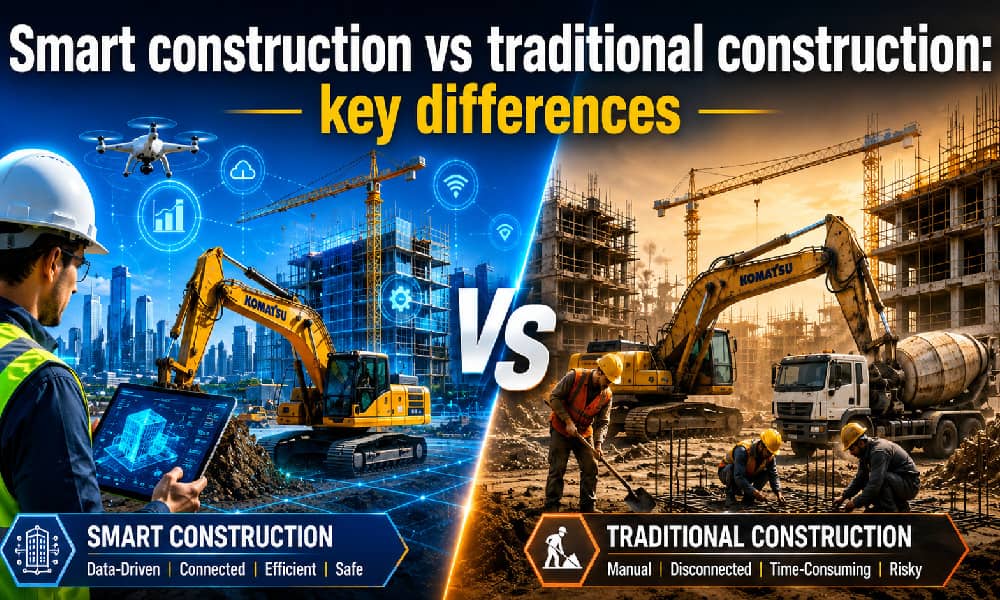
Construction is in the midst of a massive revolution, with the adoption of advanced digital technologies being at the forefront. Traditional construction methods have long been the workhorse of infrastructure development, but modern construction has embraced smart construction technology to improve efficiency, safety, and productivity. With increasing demands for urbanisation and infrastructure, contractors, developers, and even project managers need to understand the distinctions between the two construction approaches.
What is Traditional Construction?
The traditional construction methods involve a significant amount of manual labour, rely only on paper-based documents, and use non-digitally integrated equipment. Data monitoring, planning, and communication during projects are done manually, which can cause delays, inaccuracies and inefficiency.
While traditional construction methods have been used on thousands of projects across the globe, they are fraught with challenges such as budget overruns and project delays, with little real-time visibility into a project's progress.
Features of Traditional Construction Methods
- Heavy dependency on manual labour and processes
- Paper-based record-keeping
- Limited use of automation
- Reactive maintenance schedules
- Slower communication between project stakeholders
- Higher chances of human error
Even though these techniques are common in many parts of the world, there is an increasing need for faster, more efficient delivery, which is why the move towards smarter alternatives is inevitable.
Smart Construction
Digital technology, connected devices, and AI are the main components employed in smart construction for building projects. The utilisation of these technologies in building activities enables data collection, event prediction, and automated decision-making in real time.
Technologies involved in smart construction technology are:
- Building Information Modelling (BIM)
- Drones and autonomous machinery
- IoT in construction
- AI in construction
- Cloud-based project management systems
- GPS and machine control systems
- Predictive maintenance technology
These technologies are enabling construction companies to increase their productivity and decrease their risks and costs.
Smart Construction Vs Traditional Construction: Key Differences
1. Project Planning and Design
In traditional construction, paper-based drawings are used for project planning, and any design change requires significant manual effort to update and communicate the information to all relevant stakeholders.
In contrast, smart construction technology enables designers and contractors to use BIM platforms to create digital building models. In real time, stakeholders can communicate with each other, identify design conflicts and incorporate changes at an early stage before construction commences.
2. Data Collection and Monitoring
Under traditional construction methods, site progress and equipment efficiency are monitored via periodic manual checks and reporting. Any issue may go unnoticed for a considerable time.
Through IoT, data such as machine operational data, material consumption, site conditions, and worker safety are gathered in real time via various sensors. This data is available to project managers in real time for immediate decision-making.
3. Equipment Management
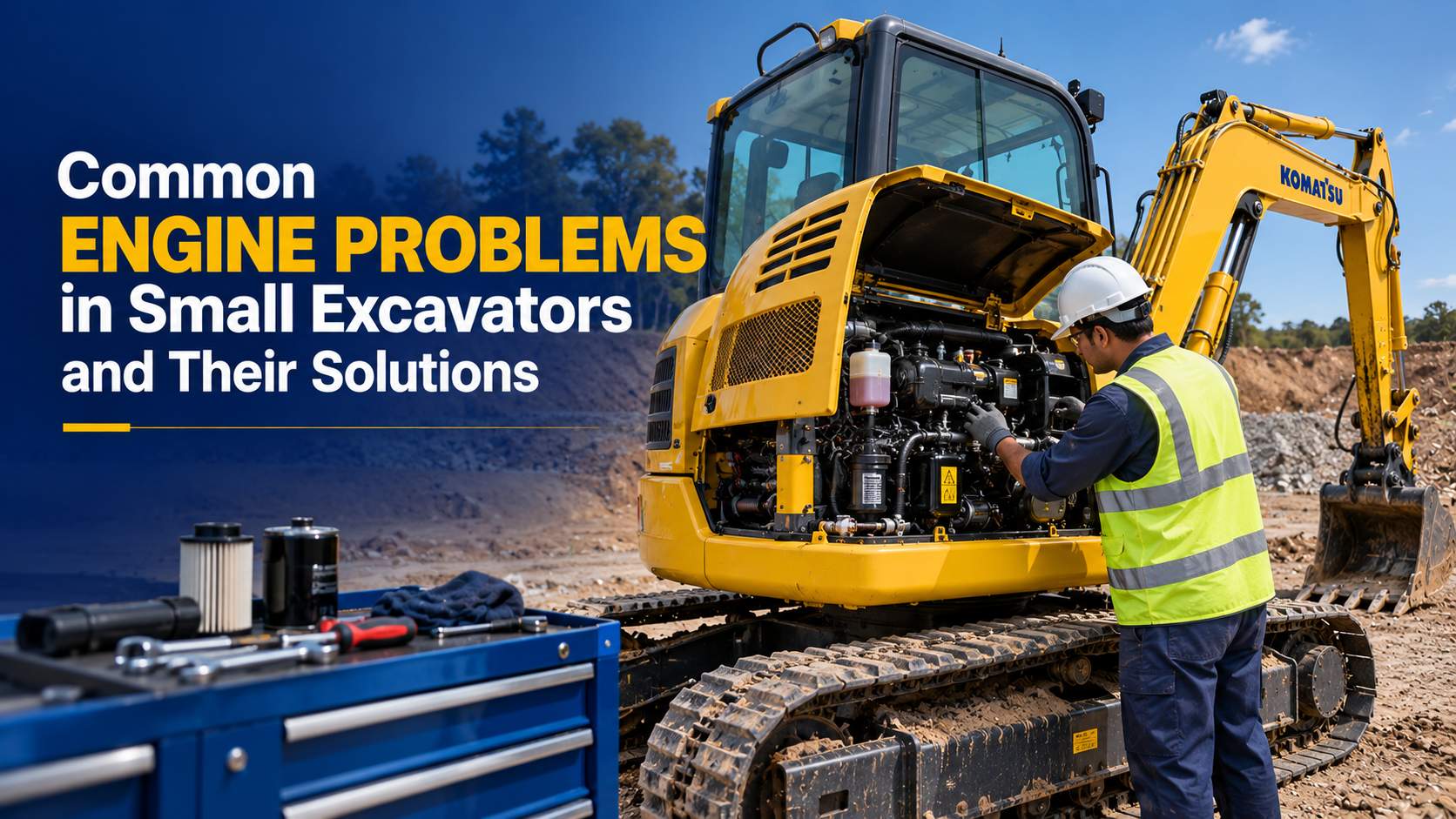
With traditional methods, equipment maintenance is carried out either on a fixed schedule or when equipment fails.
Smart construction technology relies on predictive analytics and connected sensors that provide continuous information about the operation of equipment. AI in construction can be utilised to foretell equipment failure and avert breakdowns. Benefits are as follows:
- Reduced repair costs
- Extended lifespan of machinery
- Minimised operational time lost due to breakdowns
- Better fleet optimization
4. Productivity and Efficiency
Many traditional construction tasks involve laborious, repetitive processes, thereby slowing project completion. Smart construction employs automated machinery and smart workflows that increase operational efficiency by performing tasks much faster than humans, with higher accuracy and consistency. These advantages allow projects to be completed more quickly while upholding superior quality standards.
5. Safety Management
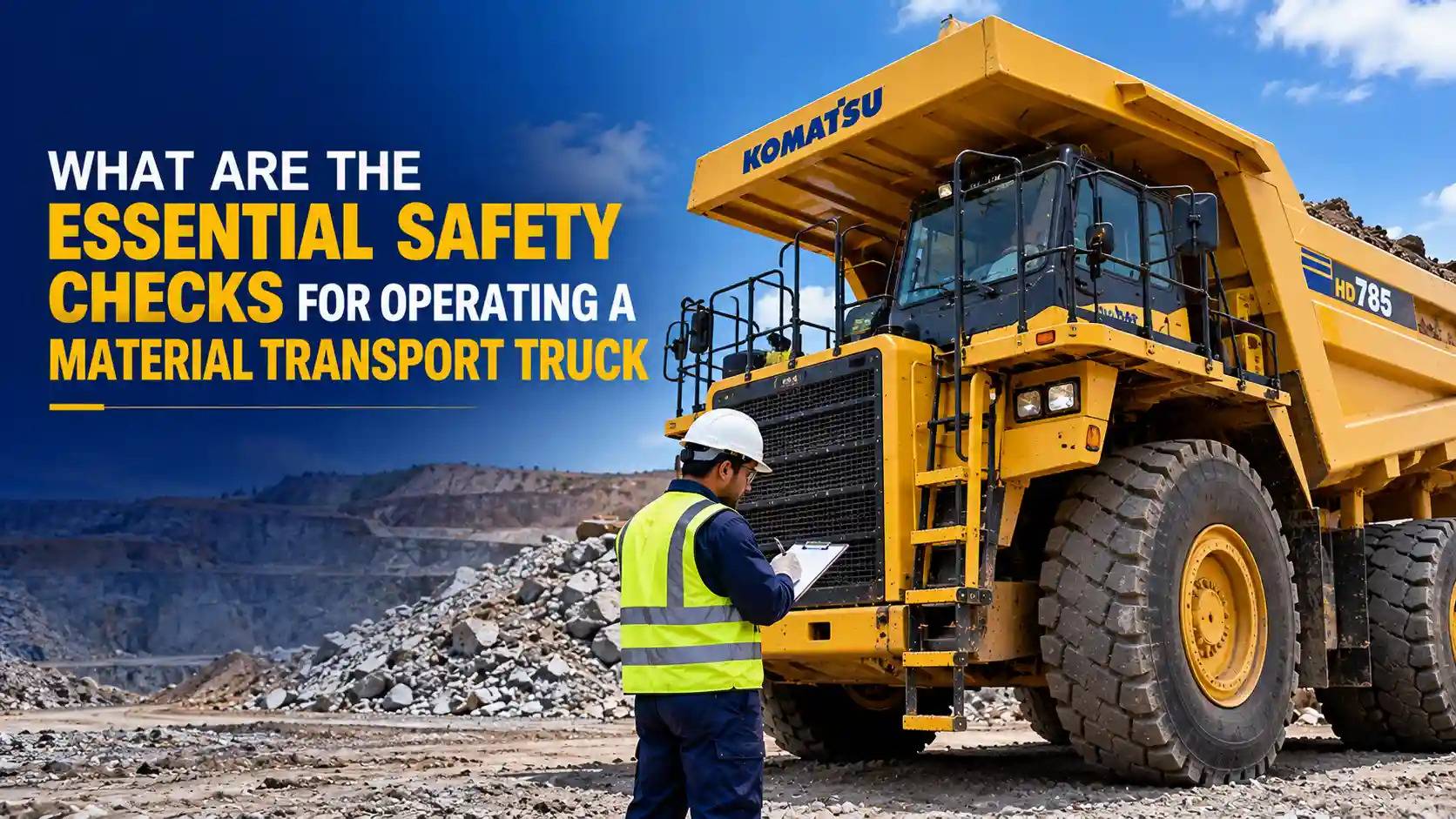
Construction sites can pose various hazards to workers and management. Traditional safety protocols are largely dependent on human intervention, supervision, and inspection.
Through wearable devices and sensors connected to an IoT platform and an AI system, unsafe conditions on-site are detected instantaneously, enabling immediate alerts to workers. This enhanced level of site safety significantly improves workplace safety.
6. Communication and Collaboration
Manual operations in conventional construction often lead to delays in information flow and isolated communication channels. A smart construction platform brings all project information to a single place and is accessible by every permitted participant from anywhere. Engineers, contractors, owners and suppliers can work more closely together if information is accessible.
7. Cost Control
Overspending the budget and unanticipated delays are evergreen pitfalls of traditional construction methods, mainly resulting from poor estimation and management. AI in construction helps analyse and predict risks much more precisely, facilitating optimised use of resources, better management of the project's budget, and fewer financial surprises.
8. Sustainability
The major drawback of the traditional methods is the significant waste and increased energy consumption. Sustainability in smart construction comes from precise material estimation, efficient on-site energy use, and reduced waste generation to minimise negative environmental impact.
Challenges of Smart Construction
Smart construction also comes with its own set of challenges:
- Higher initial costs for new technologies
- Demand for a specialised, skilled workforce
- Security risks to data
- Seamless integration with legacy systems
- Need for proper training for all users
Despite these, most organisations conclude that the long-term gains from using smart construction methods outweigh the initial hurdles.
The Future of Construction
In a race between smart construction and conventional construction, smart construction is getting an edge over its opponent. Construction companies worldwide have begun embracing digital technologies to increase productivity, safety, and profitability.
The emergence of high-end technologies like AI and IoT will soon make them essential rather than a luxury at a construction site. As construction projects grow more complex, information must be relied on at each step to execute them correctly.
Conclusion
At
Komatsu India Private Limited, it is believed that smart construction, compared with traditional construction, involves manual processes and reactive project management. At the same time, the former focuses on smart technologies, automation and real-time data analysis throughout the project lifecycle. Smart construction offers great advantages in safety, predictive maintenance, cost management and sustainability, while traditional methods still have their place in the industry. The future of construction, however, will be driven by connected technology and data-driven processes.
FAQ
1. What exactly is smart construction technology?
Smart construction technology integrates technologies like digital tools, artificial intelligence, the Internet of Things (IoT), and automation in construction work for increased efficiency, improved safety, and better project management.
2. In what ways does IoT help in improving construction project performance?
IoT devices help construction workers gather accurate, real-time information about equipment, materials, and work-site conditions to make fast, informed decisions.
3. What are the benefits of smart construction technology compared to conventional construction?
Smart construction helps reduce costs, minimise waste and delays, improve safety, and boost productivity.